
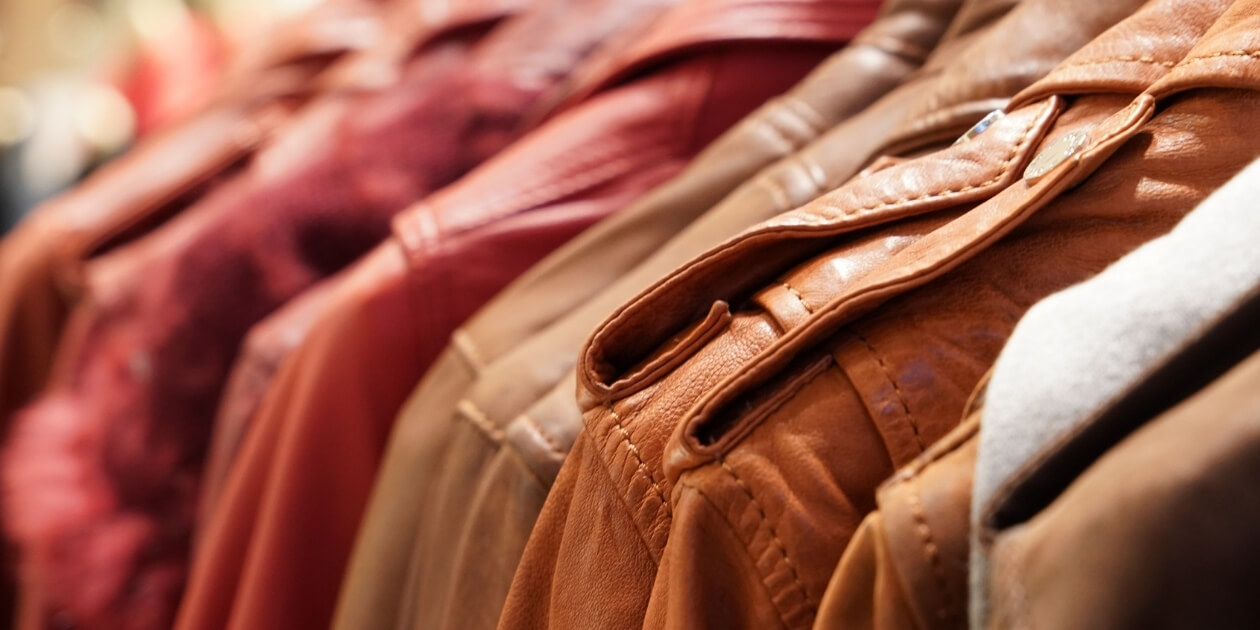
Real or Faux? How to Tell Genuine Leather When Buying a Leather Jacket
Few materials in the world of fashion command as much admiration and endurance as genuine leather. Whether it’s a wallet, a bag, or a timeless leather jacket, authenticity defines both the quality and the character of your investment. Yet in today’s market, the abundance of faux and synthetic alternatives has made it more important than ever to know how to tell if genuine leather is real.
At Koç Leather & Fur, our decades of expertise in crafting handmade leather jackets have taught us one truth: real leather has a soul. It breathes, ages, and evolves with you. Recognizing that authenticity isn’t just a skill — it’s an appreciation for true craftsmanship.
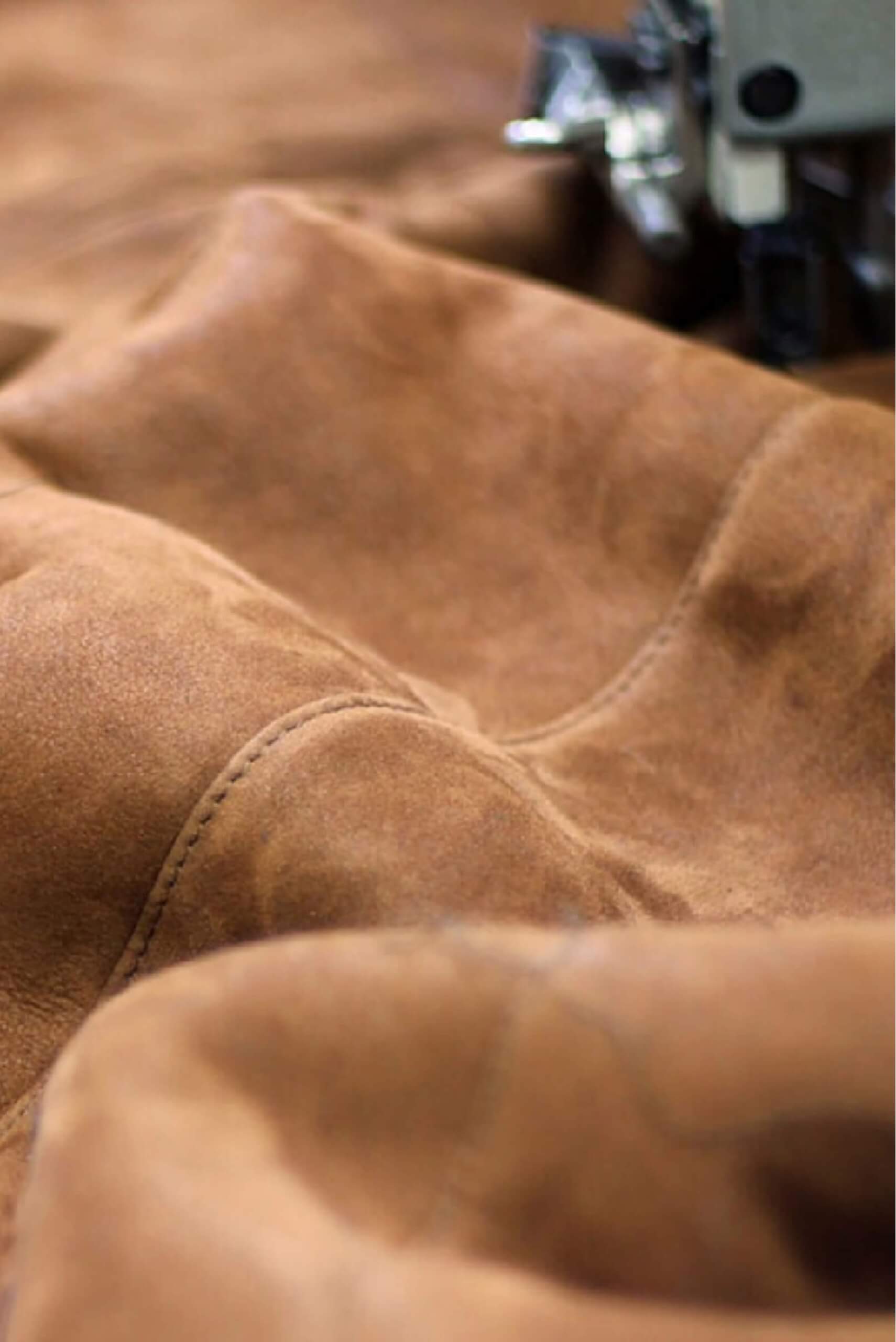
Real Fur
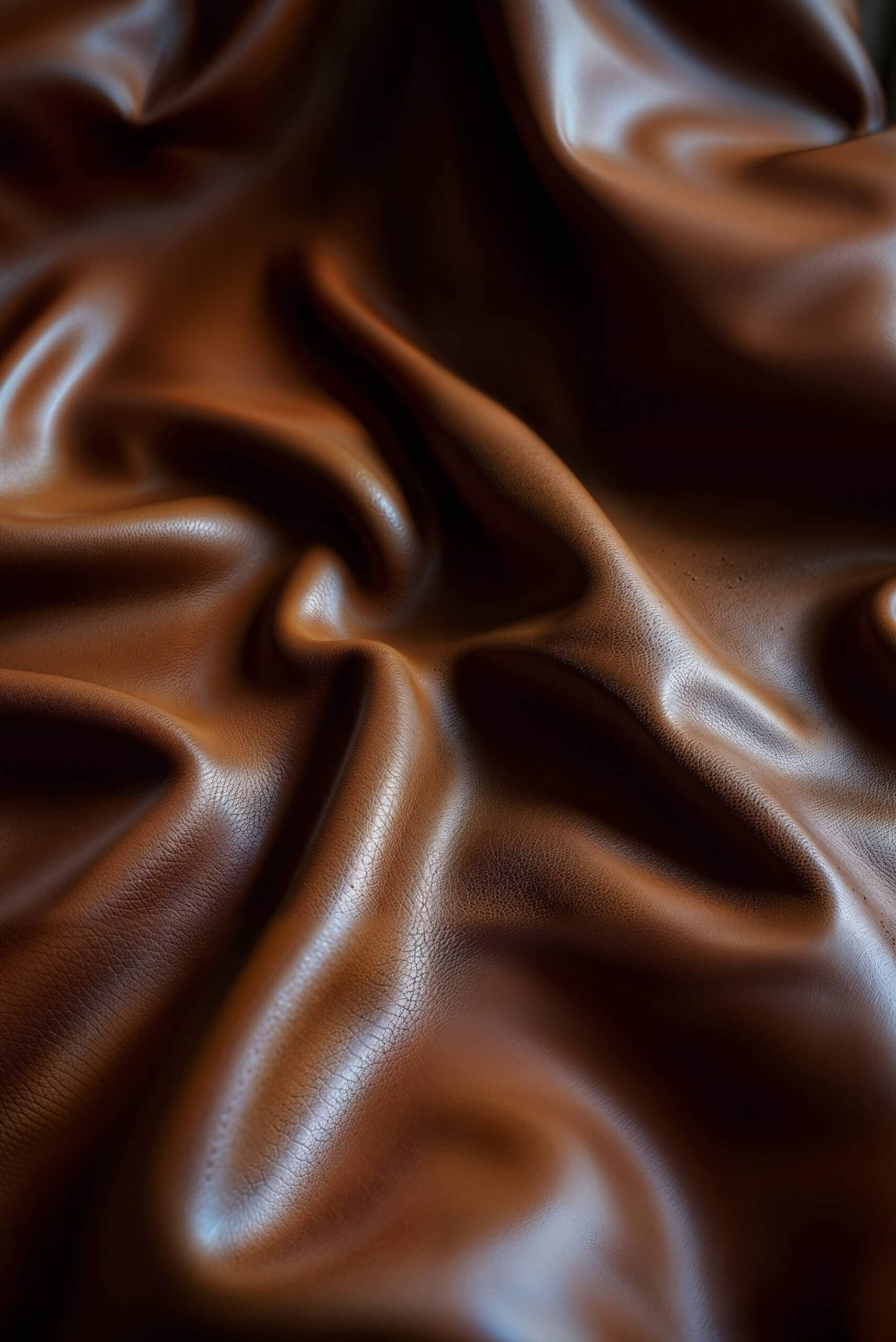
Faux Fur
1. The Texture Test — Real Leather Has Character
Run your fingertips across the surface. Genuine leather feels warm, natural, and slightly uneven — you can sense its organic grain. Unlike faux leather, which feels overly smooth or plastic-like, real leather carries tiny pores, wrinkles, and natural imperfections that make each piece one-of-a-kind.
When examining a leather jacket, notice how it reacts to movement. Real leather bends and forms soft creases, while synthetic materials remain stiff and flat. This flexibility and “living texture” are telltale signs of authenticity.
2. The Scent of Authenticity — The Natural Aroma of Leather
One of the most distinct features of real leather is its unmistakable aroma. It has an earthy, warm, slightly musky scent that no synthetic material can replicate. Faux leather or PU leather, by contrast, often carries a sharp, chemical smell.
If you ever visit Istanbul’s Grand Bazaar, you’ll recognize it instantly — that deep, rich aroma that fills Koç Leather & Fur’s boutiques is the scent of genuine craftsmanship. It’s not just a product; it’s an experience.
3. The Pliability & Feel — Genuine Leather Ages Gracefully
Another sign of authenticity is how the leather ages. Real leather develops a soft patina over time — a subtle shine and texture that reflects your movements and lifestyle. When you gently bend it, you’ll see small color variations appear, not cracks.
That’s why a genuine leather jacket becomes better with age — it tells your story. Faux leather, on the other hand, tends to peel, flake, or lose its finish within a few seasons. A high-quality leather jacket, especially one handcrafted from full-grain leather, can last decades.
4. The Water Drop Test — Simple Yet Effective
There’s a reason this test is beloved by leather experts: it works.
Place a small drop of water on the surface.
On genuine leather, the droplet will absorb slowly, darkening the area slightly before evaporating.
On faux leather, the water stays on the surface or rolls off instantly.
This absorbency happens because real leather is porous — it “breathes.” That’s what makes a real leather jacket both comfortable and durable, especially in varying climates.
5. Real Leather vs PU Leather — The Key Differences
Many shoppers confuse PU leather (polyurethane leather) with genuine leather because it looks convincing at first glance. But the differences are clear once you know what to look for.
| Feature | Genuine Leather | PU (Faux) Leather |
|---|---|---|
| Texture | Natural grain, varied, imperfect | Smooth, uniform, plastic-like |
| Scent | Rich, organic | Synthetic, chemical |
| Durability | Lasts decades, forms patina | Peels or cracks within years |
| Breathability | Air-permeable | Non-breathable |
| Price & Value | Higher cost, long-term investment | Cheaper, disposable fashion |
When buying a leather jacket, always check the label — if it says “PU leather,” it’s synthetic. Genuine leather products often specify “100% leather,” “full-grain,” or “top-grain.”
6. The Stitching & Craftsmanship — The Hallmark of Authenticity
Even the finest leather loses value without true craftsmanship. Inspect the stitching: handcrafted jackets have tight, even seams with strong threads, while mass-produced synthetics often show irregular or loose stitches.
7. Why It Matters — The Difference Between a Trend and a Legacy
Understanding how to tell if genuine leather isn’t just about avoiding fake products. It’s about knowing what makes a piece truly valuable. A real leather jacket isn’t just outerwear — it’s an investment in style and longevity.
Faux leather may mimic the appearance, but only genuine leather carries the depth, warmth, and evolution of time. Every mark, every crease becomes part of your story — turning your jacket into a personal heirloom.
As we often say at Koç Leather & Fur: “Real leather doesn’t just last — it lives.”
Frequently Asked Question (FAQ)
How can I tell if my leather jacket is made of real leather?
Real leather has a natural grain, soft texture, and warm feel. When bent, it forms gentle wrinkles instead of cracking. It also has a distinctive earthy smell that faux leather cannot replicate.